

 Whitman Expo







The 1943 bronze Lincoln cent, graded Extra Fine by PCGS, was acquired from a family that held it unverified since the early 1960s.
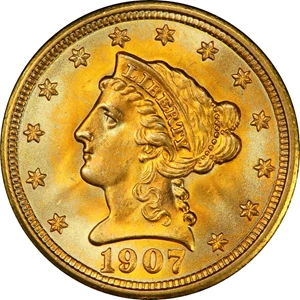
Pre-1933 Gold Coinage Values
Greysheet & Red Book® PRICE GUIDE
Gold served as money or established the monetary value of currencies longer than any other material. The use of gold coins was widespread in Europe by 300 B.C. In what became the United States, the earliest coins circulated were foreign, mostly silver and gold, brought from Europe, as well as made in Spanish possessions in the New World. The Coinage Act in 1792 established an independent monetary system with the dollar as the basic U.S. monetary unit containing 24-3/4 grains of fine gold, based on the world price of $19.39 a troy ounce (480 grains). Congress changed the gold specification in 1834 and again in 1837, when it set the dollar price of gold at $20.67 an ounce. In 1933, U.S. citizens were prohibited from hoarding monetary gold in the United States; this was extended in 1961 to gold held abroad as well. The dollar price was set at $35 per ounce in 1934. Use of gold in international trade was further restricted as the price rose. The government revalued it at $38 per ounce in 1972, then $42.22 in 1973. The price has fluctuated widely in recent years. All restrictions on holding gold were removed on December 31, 1974.
Our Sponsors







Filter
Sponsored
No series match your filters.
Greysheet News
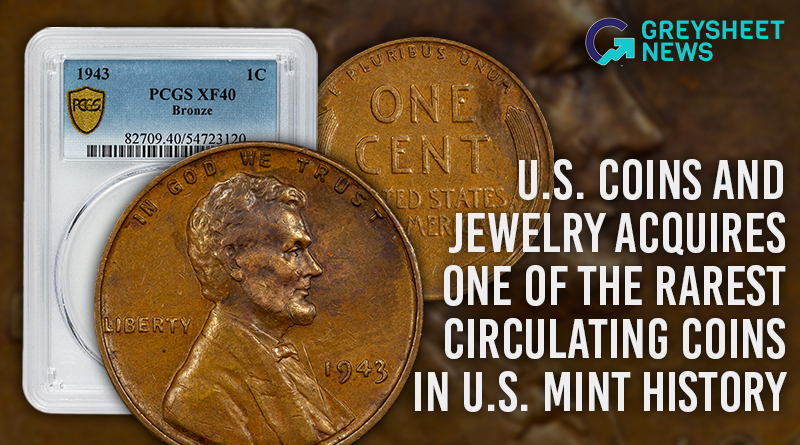
U.S. Coins and Jewelry acquires one of the rarest circulating coins in U.S. Mint history
10/1/2026
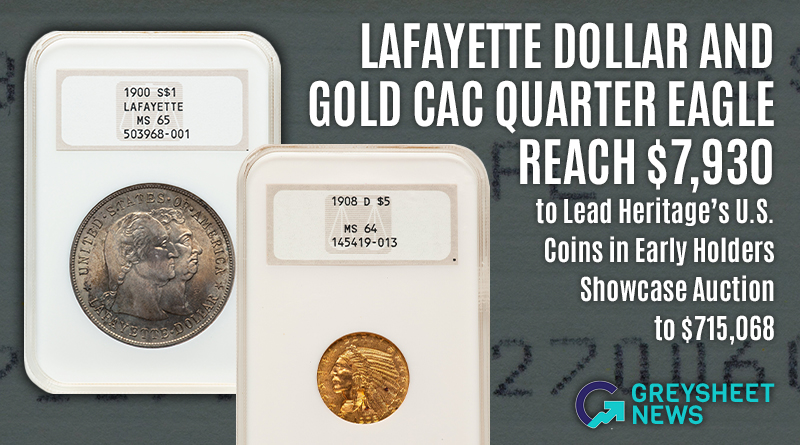
Lafayette Dollar and Gold CAC Quarter Eagle Reach $7,930 to Lead Heritage's U.S. Coins in Early Holders Showcase Auction to $715,068
1880-S Morgan Dollar and 1911-D Quarter Eagle each bring $6,100.
9/30/2026
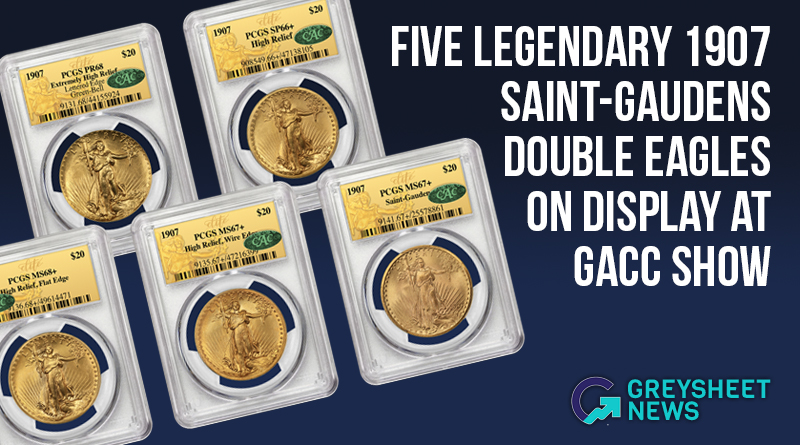
Five Legendary 1907 Saint-Gaudens Double Eagles On Display at GACC Show
$7 Million Display October 1-3, 2026 Includes Ultra High Relief Rarities.
9/29/2026
Events
Knoxville Coin and Currency Show - TN
Location: Rothchild Catering & Conference Center
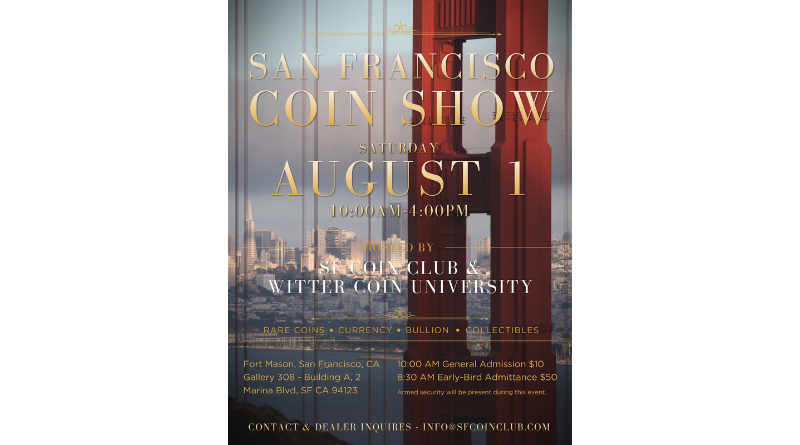
Saturday, August 1, 2026