


 Whitman Expo



On September 1, Stack's Bowers conducted a Rarities Night session in California as part of this firm's post-ANA World's Fair of Money® auction extravaganza.
Thank you to our sponsors!
Go check them out!










Entire books have been written about this historic rarity, one of the most legendary U.S. coins. 1804 Silver Dollars were first minted in 1834 for special diplomatic proof coin sets. Only eight are known to exist from the first strike with the first reverse die. Seven were minted in the late 1850s from the second strike with the second reverse die.
The coin earned its name by repurposing the Draped Bust Dollar designs that were last used in 1803 to strike "1804" dated coins. The obverse depicts a draped bust of Liberty facing right, flanked by 13 stars, with long hair bound by a ribbon.
Obverse Description
The obverse depicts a draped bust of Liberty facing right, flanked by 13 stars, with long hair bound by a ribbon.
Reverse Description
The reverse features a heraldic design showing an eagle with raised wings, bearing a United States shield upon its breast and holding a scroll inscribed with “E PLURIBUS UNUM.”
The eagle carries 13 arrows in its right talon and an olive branch in its left under clouds and 13 stars. The inscription “UNITED STATES OF AMERICA” encircles the coin.
Source: US Mint
Catalog Information
GSID:
394991
Designer:
Robert Scot
Obverse Designer:
Robert Scot
Obverse Lettering:
LIBERTY, IN GOD WE TRUST, 1804, 250
Reverse Designer:
Robert Scot
Reverse Lettering:
UNITED STATES OF AMERICA, E PLURIBUS UNUM
Fineness:
0.9999
Weight (gr):
31.1 gr
Weight (oz):
1 oz
Precious Metal Weight:
1 oz
Strike Type:
Business
Diameter:
30.61
Coin Shape:
Round
Edge:
Lettered
Variety:
Gold Bust Dollar
Variety 2:
250th Anniversary Privy
Coin Date:
(2026)
Denomination:
G$1
Designation:
SP
Mint Location:
West Point
Mintage:
11,915
Coinage Type:
Best of the Mint Gold
Coinage Years:
2026
Composition:
Gold
Send Catalog Feedback
Subject: I would like to contribute catalog info to CDN for (2026) G$1 Gold Bust Dollar, 250th Anniversary Privy SP
Body: Referring page: http://www.greysheet.com/prices/item/1804-2026-one-dollar-draped-bust-design-best-of-the-mint-gold-coin/gsid/394991 GSID: 394991 Title: (2026) G$1 Gold Bust Dollar, 250th Anniversary Privy SP
Subscribe to View
Log In
View more data, info, and visualizations. Get access to retail and wholesale pricing as well as auction data.
Coin Value History
(2026) G$1 Gold Bust Dollar, 250th Anniversary Privy SP
Value By Grade
(2026) G$1 Gold Bust Dollar, 250th Anniversary Privy SP
CPG (retail) values
Currency
Grade Range
Sort by
Pricing
(2026)-W G10c Gold Mercury, 250th Anniversary Privy SP

Worth: $502 – $552
(2026) G25c Gold Standing Liberty, 250th Anniversary Privy SP

Worth: $1,204 – $1,305
(2026)-W G50c Gold Walking Liberty, 250th Anniversary Privy SP

Worth: $2,408 – $2,559
(2026) G$20 Gold Double Eagle, 250th Anniversary Privy SP

Worth: $4,818 – $5,072
Greysheet News
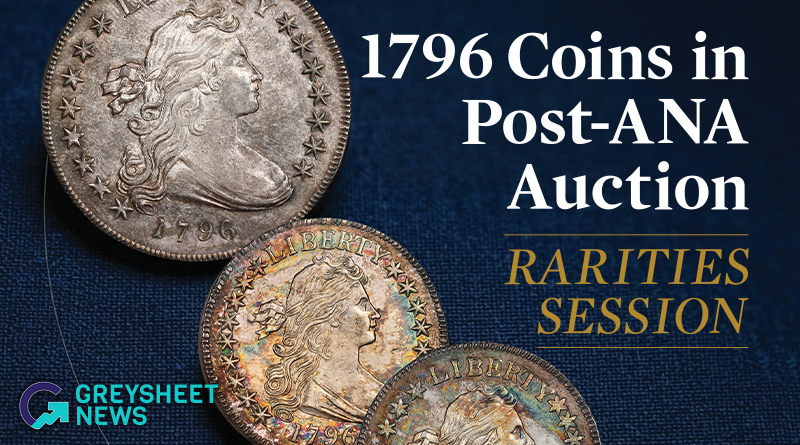
1796 Coin in Post-ANA Auction Rarities Session
11/9/2026
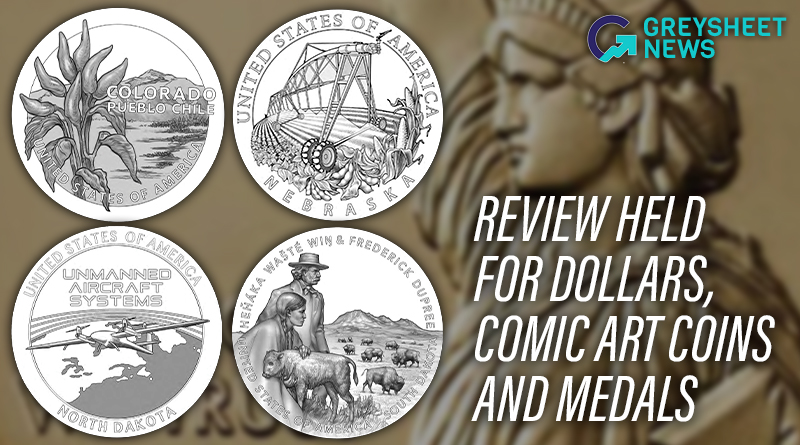
Review Held for Dollars, Comic Art Coins and Medals
Commissioners reviewed reverse designs for the four American Innovation dollars scheduled to be released in 2028 and obverse and reverse designs for the 2027 issues in the Comic Art Coin and Medal Program.
11/6/2026
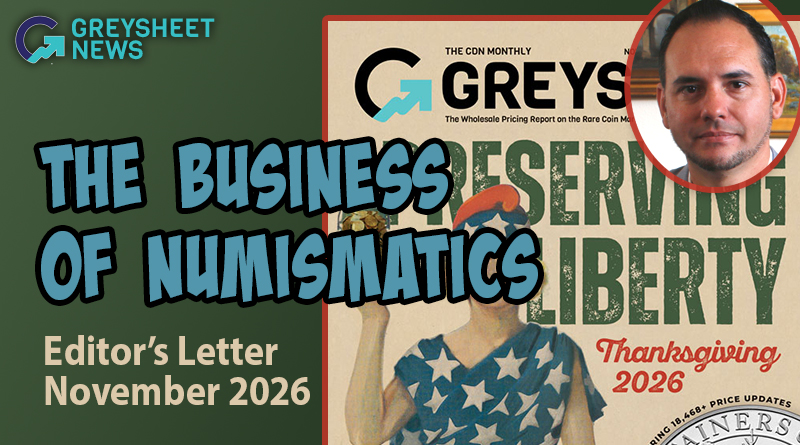
The Business of Numismatics: November 2026 Greysheet Editor's Letter
The rare coin market so far in 2026 has been somewhat volatile, with greater price swings happening over a shorter period of time when compared to historical norms.
11/4/2026
Events
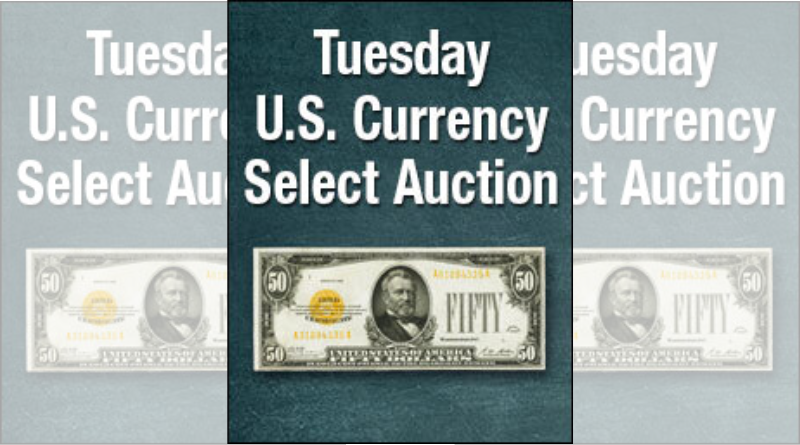
Heritage Auctions: US Currency Tuesday Select Auction
Location: Heritage Auctions
Tuesday, September 1, 2026
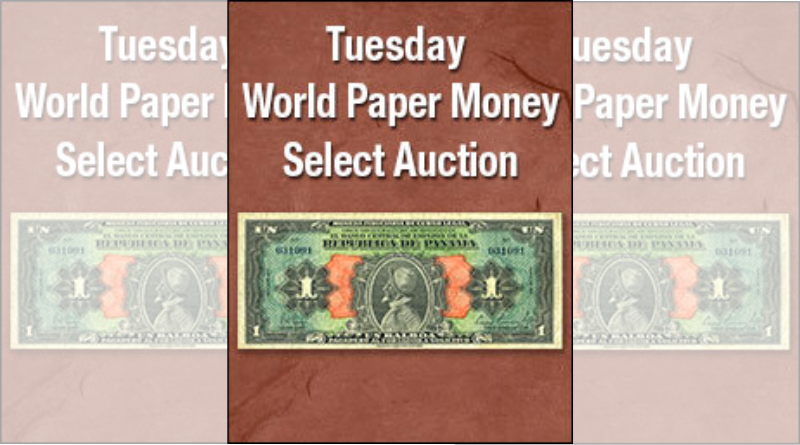
Heritage Auctions: World Paper Money Tuesday Select Auction
Location: Heritage Auctions
Tuesday, September 1, 2026
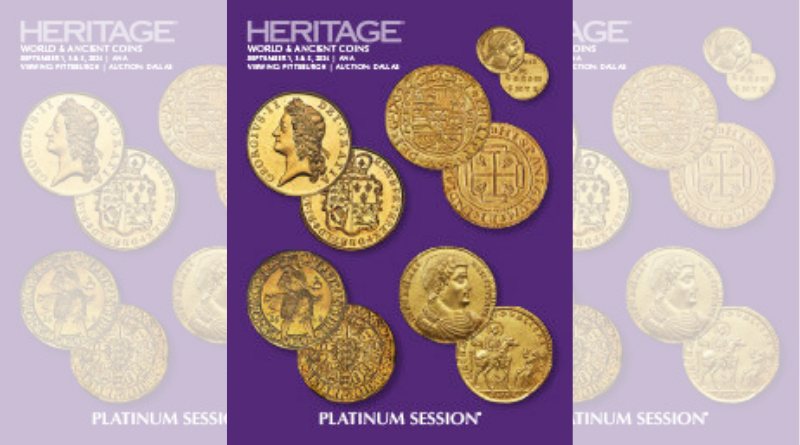
Heritage Auctions: World & Ancient Coins ANA Signature Auction & Platinum Session
Location: Heritage Auctions
Tuesday, September 1, 2026