


 Whitman Expo







On September 1, Stack's Bowers conducted a Rarities Night session in California as part of this firm's post-ANA World's Fair of Money® auction extravaganza.
Thank you to our sponsors!
Go check them out!










Following the failure of the second Humbert $10 reverse die, a third example was made, which was used until the adoption of Curtis, Perry & Ward’s new design in the spring of 1852. Somewhere around 150 examples are known in private hands, ten of which are graded mint state. The single finest known example is a superb gem mint state specimen that traces its provenance back to the collection of Augustus Humbert. The K-10 Humbert $10 is the latest use of the Humbert obverse die, and examples are known that show extensive apparent die rust and cracking. The latest die state known has cracks running through the word UNITED and is identified as Kagin-10a in Private Gold Coins and Patterns of the United States.
Obverse Description
Eagle clutching shield and ribbon UNITED STATES OF AMERICA. 884 THOUS: TEN DOLS.
Reverse Description
Engine turning AUGUSTUS HUMBERT. UNITED STATES ASSAYER OF GOLD. CALIFORNIA. 1852.
Catalog Information
GSID:
375997
Obverse Lettering:
UNITED STATES OF AMERICA. 884 THOUS: TEN DOLS.
Reverse Lettering:
AUGUSTUS HUMBERT. UNITED STATES ASSAYER OF GOLD. CALIFORNIA. 1852.
Strike Type:
Business
Coin Shape:
Round
Edge:
Reeded
Variety:
Augustus Humbert
Variety 2:
Late Die State, K-10a
Coin Date:
1852
Denomination:
G$10
Designation:
MS
Mint Location:
California
Coinage Type:
Private & Pioneer Gold
Coinage Years:
1852
Composition:
Gold
Rarity:
5
Send Catalog Feedback
Subject: I would like to contribute catalog info to CDN for 1852 G$10 Augustus Humbert, Late Die State, K-10a MS
Body: Referring page: http://www.greysheet.com/prices/item/1852-augustus-humbert-ten-dollar-kagin-10a-die-cracks-territorial-gold-coinage/gsid/375997 GSID: 375997 Title: 1852 G$10 Augustus Humbert, Late Die State, K-10a MS
Subscribe to View
Log In
View more data, info, and visualizations. Get access to retail and wholesale pricing as well as auction data.
Pricing Data Not Yet Available
We are constantly adding to our pricing database and prioritize user requests. Click below to request pricing for this item.
Request PricingGreysheet News
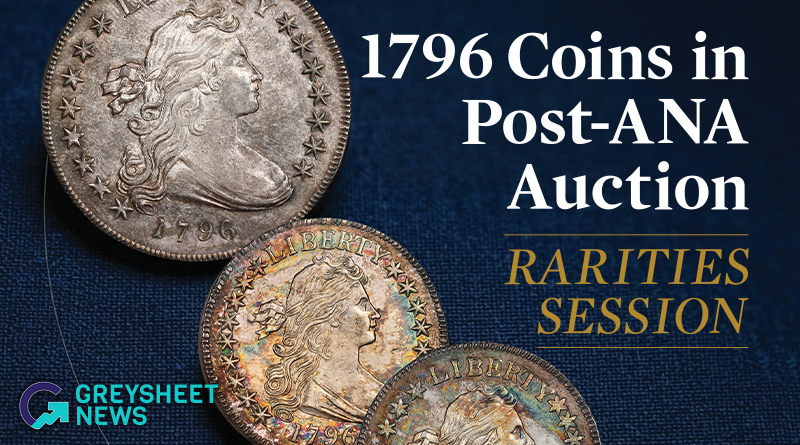
1796 Coin in Post-ANA Auction Rarities Session
11/9/2026
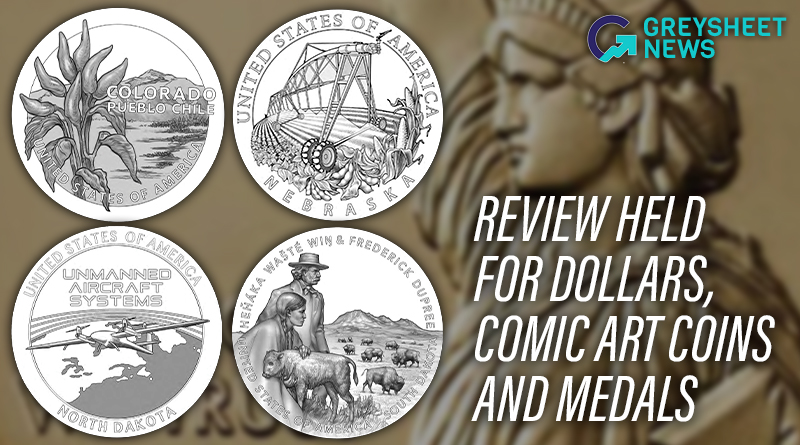
Review Held for Dollars, Comic Art Coins and Medals
Commissioners reviewed reverse designs for the four American Innovation dollars scheduled to be released in 2028 and obverse and reverse designs for the 2027 issues in the Comic Art Coin and Medal Program.
11/6/2026
The Business of Numismatics: November 2026 Greysheet Editor's Letter
The rare coin market so far in 2026 has been somewhat volatile, with greater price swings happening over a shorter period of time when compared to historical norms.
11/4/2026
Events
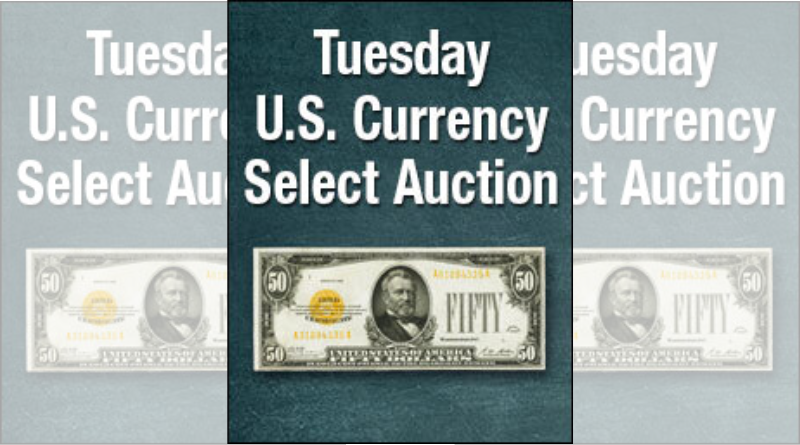
Heritage Auctions: US Currency Tuesday Select Auction
Location: Heritage Auctions
Tuesday, September 1, 2026
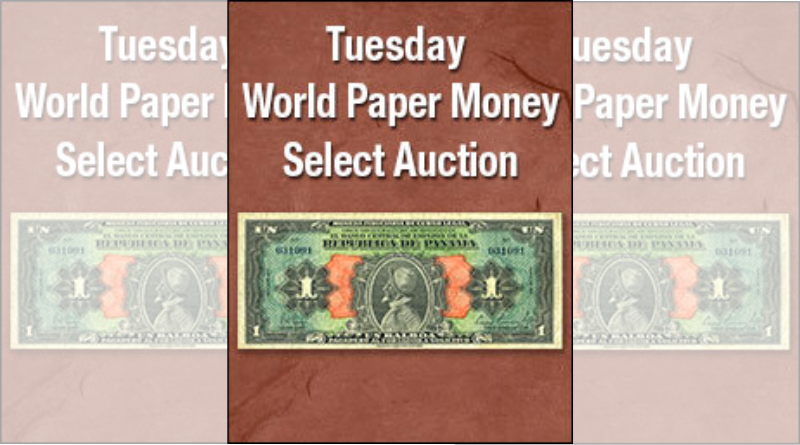
Heritage Auctions: World Paper Money Tuesday Select Auction
Location: Heritage Auctions
Tuesday, September 1, 2026
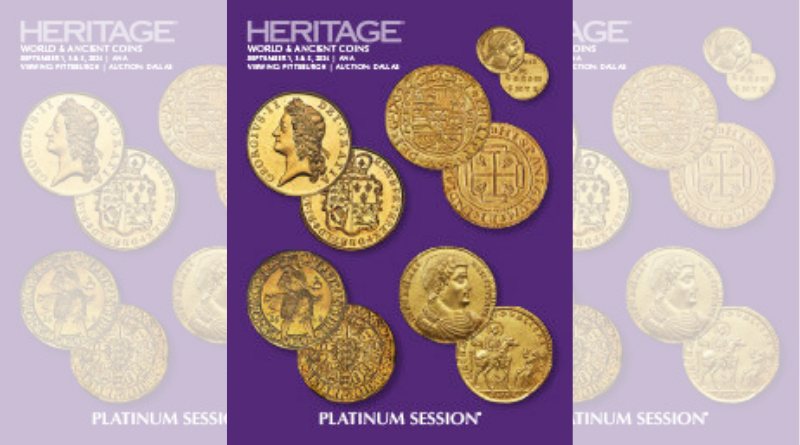
Heritage Auctions: World & Ancient Coins ANA Signature Auction & Platinum Session
Location: Heritage Auctions
Tuesday, September 1, 2026